The Place That Outlasted Everyone
Ann Sather started as a Norwegian woman's Swedish diner on a block with seven competitors. It became the room where a community survived an epidemic. The cinnamon rolls still come with your meal.

Thai Patton
In 1945, a Norwegian woman named Ann Sather bought a Swedish diner on Belmont Avenue with twenty-two years of savings. The math on that sentence alone should stop you. Twenty-two years. She worked the meatpacking trade, setting money aside with a specific destination in mind, and then she walked into a neighborhood saturated with Swedish immigrants and bought a Swedish restaurant.
She was Norwegian. Her regulars were Swedish. Seven other Swedish restaurants sat on the same block.
She kept the menu Swedish anyway.
Not because she didn't have opinions, she clearly had plenty, but because her regulars expected Swedish food and she needed her regulars more than she needed to win an argument about culinary heritage. So she learned their recipes, kept their dishes, and watched her seven competitors close one by one. Ann Sather outlasted all of them. The Swedish menu stayed.
Stubbornness looks like practicality when it works.
Lakeview carried a significant Swedish presence for much of the early twentieth century — dense enough that a block full of Swedish restaurants wasn't an anomaly, it was just Tuesday on Belmont. That community thinned over the decades, as immigrant communities do, dispersing into suburbs and assimilation and a kind of quiet disappearance that makes neighborhoods harder to read by the time you arrive looking for evidence.
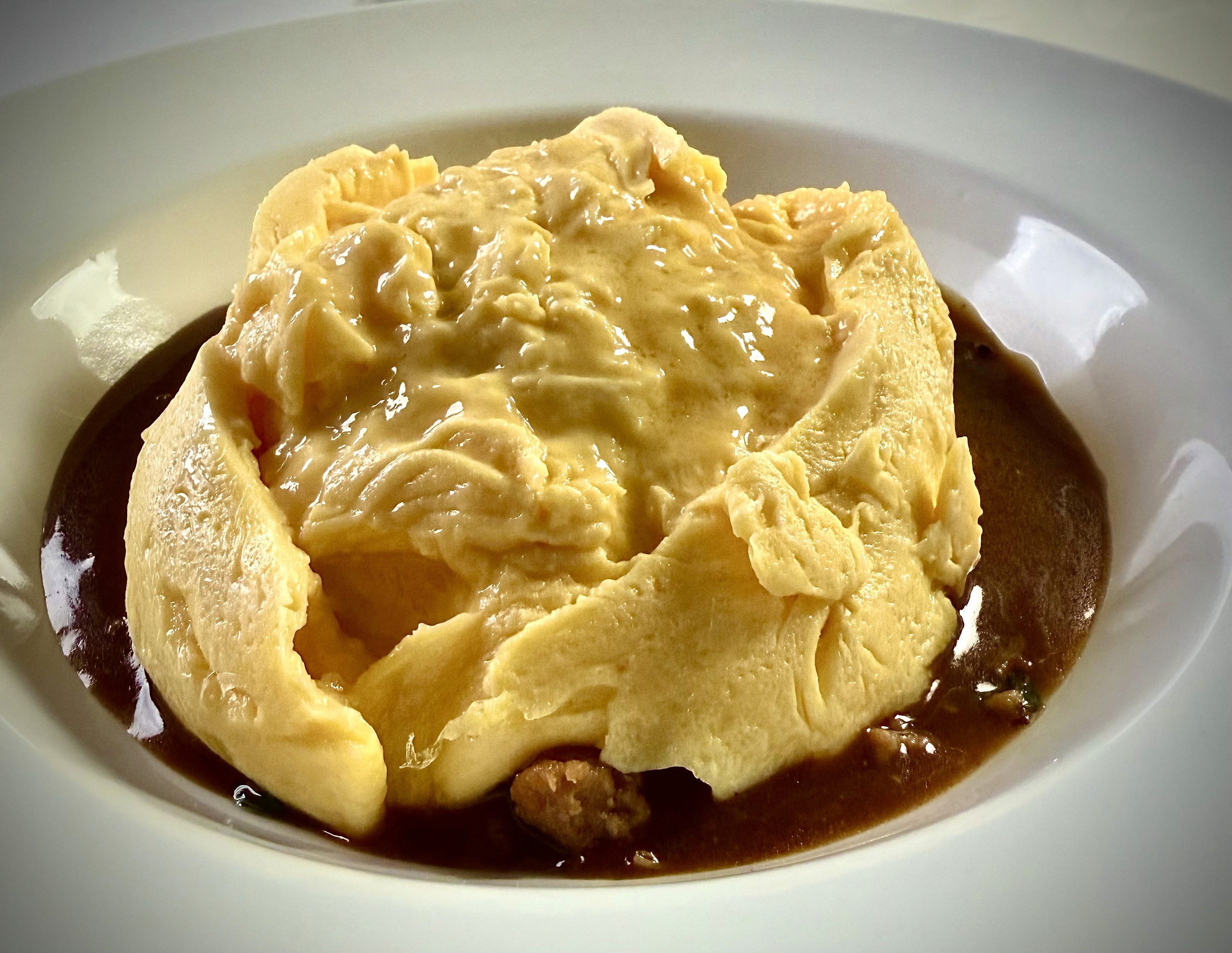
Ann Sather is what's left. The lingonberries. The Swedish pancakes. The cinnamon rolls that have become so synonymous with the place that people sometimes forget it's a full restaurant and show up expecting a bakery.
It is not a bakery. Order the eggs. The rolls will come.
1981
Tom Tunney was twenty-four years old when he took over Ann Sather. Irish-American, openly gay, inheriting an institution in a neighborhood that was about to face something no institution was built to handle.
The AIDS crisis arrived in Boystown in the early 1980s and did what it did everywhere: it isolated, it killed, and it demanded silence from people who had already spent their lives being told to be quiet. The institutional response, nationally and locally, was largely to look away.
Tunney opened his kitchen.

He co-founded Open Hand Chicago, built around a simple and radical premise: cook for men with AIDS, bring them food, treat them like people who deserve to eat. He showed up to protests. He organized inside Ann Sather's booths. The restaurant became the room where a community could gather when gathering itself was resistance. Over coffee. Over cinnamon rolls. On Belmont, where Ann Sather had already proven that outlasting everyone was possible if you just kept feeding people what they needed.
The continuity there isn't accidental.
The Complicated Part
Tunney went on to become Chicago's first openly gay alderman, representing the 44th Ward for over two decades. That's worth sitting with. In the 1980s, being visibly and unapologetically gay in public life — while the country was using the epidemic as evidence that gay men deserved what was happening to them — required something most people never get tested for. He showed up anyway. Loudly.
His legislative record is more uneven. His positions on minimum wage increases drew real criticism. His relationship with organized labor hasn't always reflected the politics you'd expect from someone with his history. I'm not going to smooth that over.
But I'm also not going to let it erase 1981. You can think someone made the wrong call on a wage vote and still recognize that the same person was feeding dying men in a city that had decided not to see them. Complexity isn't a loophole. It's just what people are.
The restaurant, for its part, remains an uncomplicated pleasure.
Catch up
Recent Features

Coffee
Everything You Know About Coffee is Goatshit.
The Kaldi legend has been repeated for centuries. It has one problem: it never happened. Here's where coffee actually comes from, and why the person who pulled your shot deserves better than a fairy tale.

Coffee
Four Coffee Shop Red Flags
After half a million drinks behind the bar, I can size up a coffee shop before I even order. Here is what I am looking for and why it matters.

Chicago
The Som Tam Test: Taste the Freeland
How I judge Chicago's 300-plus Thai restaurants with one salad, and the four-hundred-year, multi-continent history hiding inside it.