
Pizza for the People, By the People
Deep dish built the reputation. Tavern style fed the city. There's a difference, and it matters.

Thai Patton
Every summer Chicago gets a wave of visitors who land at O'Hare, drop their bags, and immediately start asking where to get the deep dish. They've seen it in photos, read about it in every travel guide that has ever covered this city. They book a table at Lou Malnati's or Pequod's, take the photo with the lifted slice, form an opinion about whether it was worth the hype, and move on. Some love it. Some find it closer to a casserole than a pizza. All of them think they just ate Chicago's pizza.
They didn't. Deep dish is Chicago's symbol. Tavern style is Chicago's pizza.
The distinction is not pedantic. It is historical.
The Texan, the Casserole, and the Story That Stuck
In 1943, a man named Ike Sewell opened Pizzeria Uno on the near North Side. Sewell was from Texas, not Chicago, and his original vision for the space was something closer to a tex-mex restaurant. That didn't pan out. What he landed on instead was a pizza built like a casserole: high-fat dough pressed into deep seasoned steel pans, cheese laid directly on the crust, toppings piled on, and crushed tomato sauce blanketed over everything so it wouldn't burn during the long bake. Substantial, architectural, designed to be a full dinner rather than a snack. It positioned itself as a destination and coincided with Chicago's post-war identity as a major American city worth visiting.
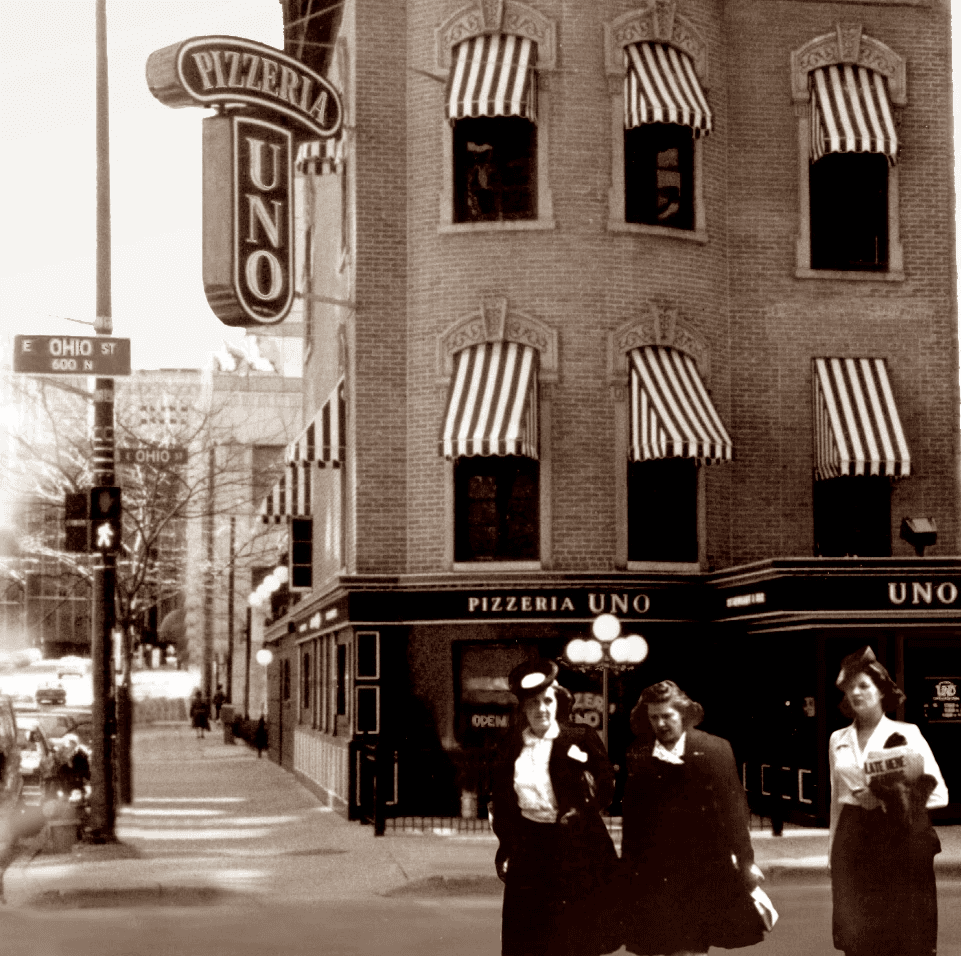
The marketing worked. Deep dish became synonymous with Chicago in a way the city didn't entirely earn. Sewell was an outsider who built something novel and got paid, which is a perfectly legitimate thing to do. But the story that formed around it — that this was Chicago's native food, the truest expression of what the city ate — was always more invention than fact.
What the South and West Sides Were Actually Eating
Here is what was actually happening on the south and west sides while Pizzeria Uno was building its downtown reputation.
Chicago in the 1940s and 50s was a manufacturing city. After World War II it was the second largest city in the country and accounted for roughly twenty percent of all American steel production. The workers running those operations came home to neighborhood taverns, not to downtown dining destinations. Tavern owners figured out quickly that if you fed someone, they stayed longer and drank more.

Tavern-style pizza was the solution. Thin, cracker-crisp crust, rolled with a pin rather than tossed. Sauce and cheese baked all the way to the edge, going dark at the perimeter into what Chicagoans call the lace. Cut into squares, not triangles, so you could hold a slice in one hand and a beer in the other. It was given away for free or sold for pennies. Communal by design. Democratic by necessity.
The Pizza That Traveled
Here is the part that matters: even in a city with some of the most severe residential segregation in America, tavern-style pizza traveled. It crossed neighborhood lines that most things didn't cross, moving from Italian South Side taverns into Black neighborhoods, Polish neighborhoods, mixed blocks that didn't share much else. The party cut was an equalizer. The pizza was too cheap and too good to stay put.
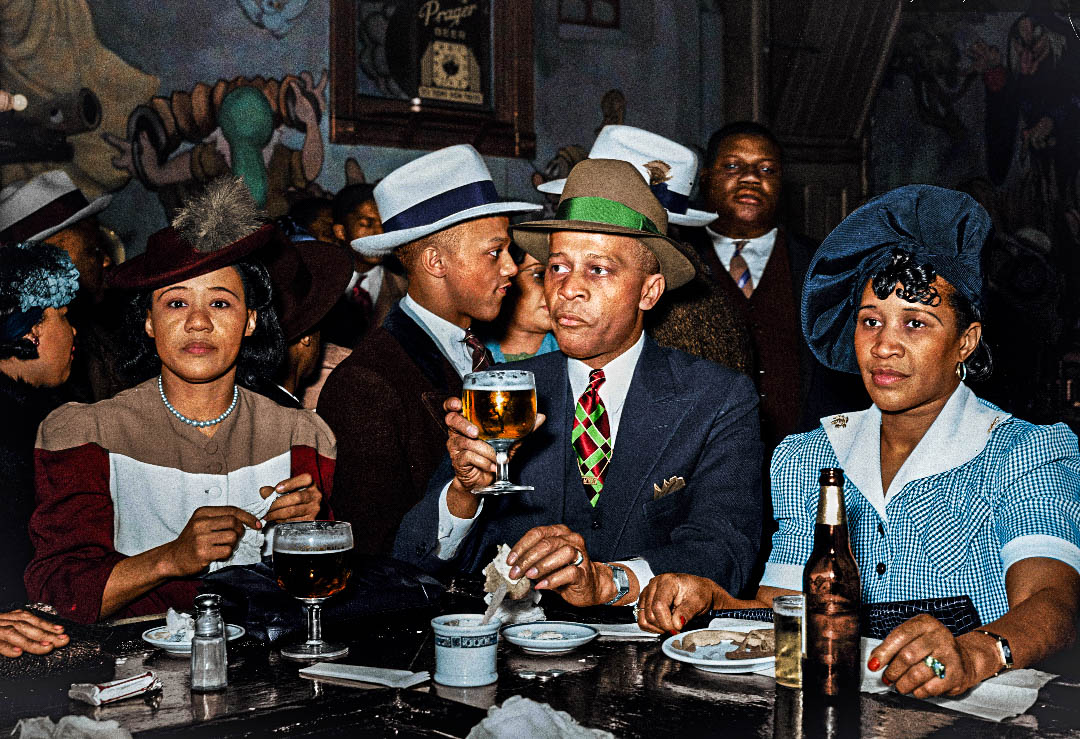
That pizza is what Chicagoans actually eat. On a Tuesday night, after work, at a bar with people they know, it is tavern style. Deep dish is where we take visitors.
What's Happening Now
There is a resurgence happening right now that is worth paying attention to. A new generation of Chicago pizza makers is returning to the form with serious intention. WG Pizza, Pizza Matta, Dimmi Dimmi, and Zarella are all doing versions of tavern-style squares that remind you why the format has lasted as long as it has. Each is worth its own trip.
I am not here to argue that deep dish is bad. It has its time and place, and Lou Malnati's has earned its reputation. But the next time someone asks you where to get Chicago pizza, you know what to tell them.

