
Four Coffee Shop Red Flags
After half a million drinks behind the bar, I can size up a coffee shop before I even order. Here is what I am looking for and why it matters.

Thai Patton
I have poured at least half a million coffees in my life. Probably more. Five hundred thousand is the conservative estimate because the real number is genuinely hard to calculate and also a little embarrassing. I was a barista at a high-volume coffee shop on Pearl Street in Boulder, Colorado, turning out over eighty drinks an hour. An hour became a week. A week became a month. Eventually that job led me to compete in the mountain region SCA barista competition, where you have fifteen minutes to explain your coffee, describe the flavor profile, pull an espresso, make a cappuccino, and serve a specialty drink of your own creation. I placed. I was also very proud of my latte art. Still am.
Eventually I left the coffee business. But the coffee never left me. Now that I am sober, I like to joke that it is the only vice I have left. I have several others, but you know. What I do with the coffee obsession now is drag Allen and every friend willing to come with me to coffee shops all over Chicago and all over the world, tasting roasters and trying drinks and quietly evaluating everything from across the counter before I even place my order.
From that particular vantage point, I can usually tell within about thirty seconds whether a coffee shop is going to deliver or disappoint. Here are the four things I am watching for.
Red Flag One: Cappuccinos and Macchiatos That Come in Sizes
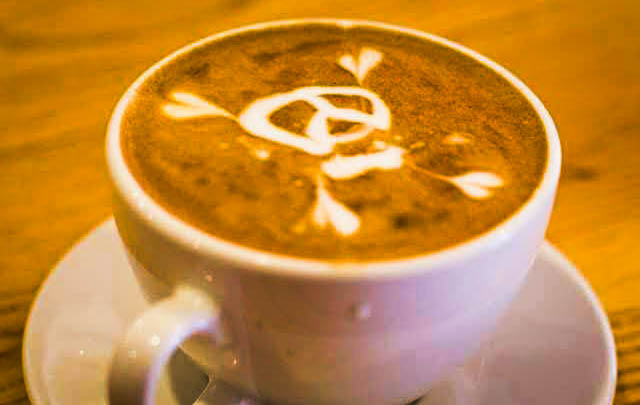
A cappuccino is not a piece of clothing. It does not come in small, medium, and large. It is a specific drink: two ounces of espresso, two ounces of steamed milk, two ounces of foam. The proportions are the point. The crema from the espresso should create a dark ring around the inside of the cup, which is, allegedly, where the name comes from. The Capuchin friars, a branch of the Franciscan order founded in Italy in the 1500s, wore brown robes. Coffee lightened with milk resembled that color. Cappuccino comes from cappuccio, Italian for hood.
A macchiato is equally specific. It is a shot of espresso marked by a dollop of foam on top. Macchiato is Italian for mark. It is not a twenty-four ounce caramel situation. What Starbucks did to the macchiato is, and I mean this, criminal.
Now. There is nothing wrong with wanting a large milky coffee drink. Those exist. They are called lattes. You are welcome to them. But if a coffee shop is sizing a cappuccino or a macchiato, they are not paying attention to what the drink actually is. And if they are not paying attention to that, they are not paying attention to the craft. And if they are not paying attention to the craft, the rest of the coffee will reflect it.
Red Flag Two: A Wall of Syrups
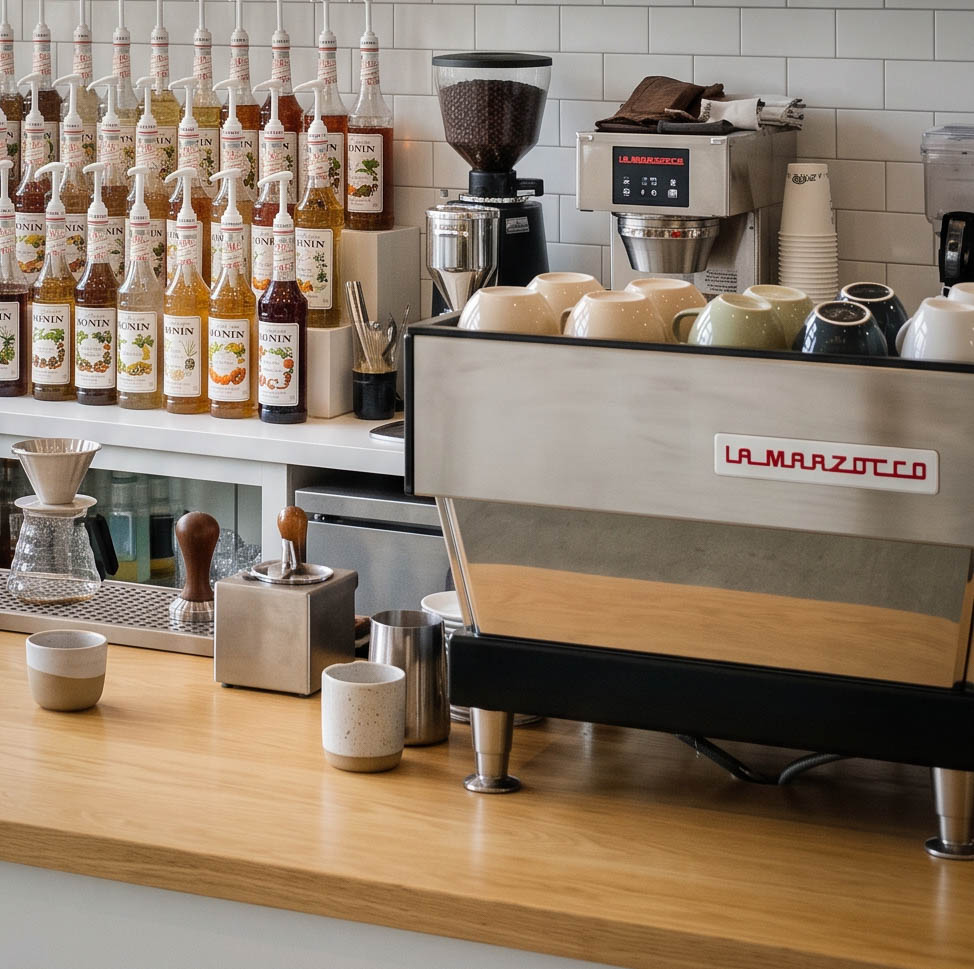
When the flavor list starts to look like the Cheesecake Factory menu, I begin to wonder what this coffee shop is trying to cover up.
Coffee has more tasting notes and flavor profiles than a glass of wine. A properly roasted bean is a complex, layered experience. Good coffee should be celebrated, not buried under sugar water. The only coffee that needs to be hidden behind flavoring is coffee that was not taken care of to begin with.
Being a barista is genuinely hard. It is easy to destroy good beans with a bad extraction. If a shop is dependent on syrup to make their drinks palatable, they are not leaning into the coffee. They are hiding from it.
To be clear: this is not a blanket condemnation of flavored drinks. A house-made syrup that brings out a specific quality in the bean can be a genuinely creative move. Some coffee shops have started treating the café drink the way a bartender treats a cocktail, using ingredients to enhance and elevate what is already there. That is interesting. That is worth ordering. What is not interesting is a pump of hazelnut over a burnt shot. That is lazy.
Red Flag Three: A Dirty Steam Wand
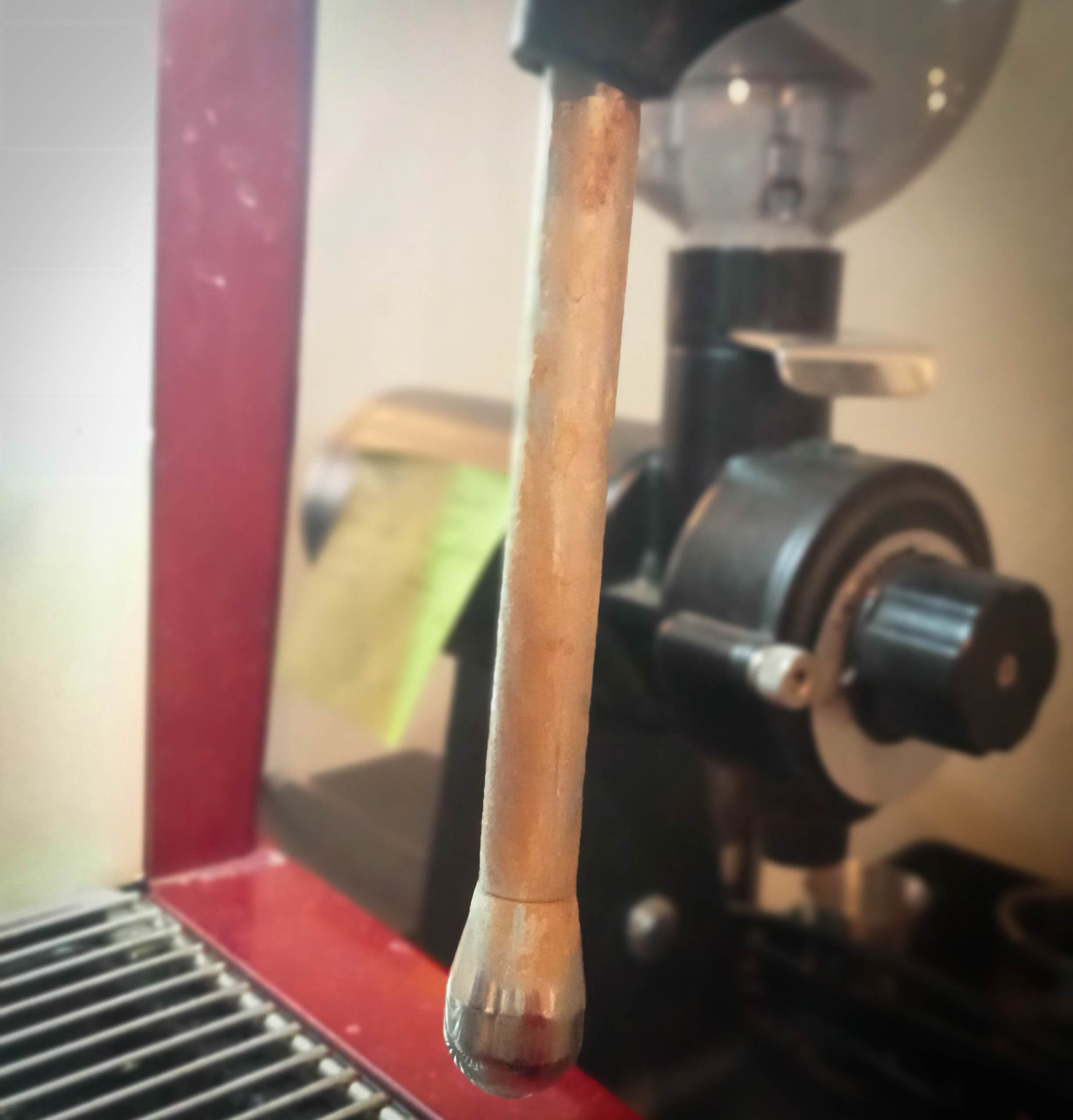
That crust on the steam wand is the ghost of every milk pitcher that came before your drink.
After every drink, a barista should purge and wipe the wand. When you cut the steam, the wand sucks a small amount of milk back into itself. That milk needs to be expelled before it clogs the wand. The wand needs to be wiped so it does not crust over. If neither of those things is happening, the dried milk from every previous drink is going into your cup.
This is gross. It is also potentially hazardous. And if a barista is skipping this basic maintenance step, which a lot of them do, the question becomes: what else are they not doing? The steam wand is visible from the counter. I can always see it from the counter. If that is what is happening where I can watch, I genuinely do not want to think about what is happening where I cannot.
Red Flag Four: It Looks Like a HomeGoods Store
This one is a little controversial. I know.
But when a coffee shop is decorated with signs that say "but first, coffee" and "espresso yourself" and "live, laugh, latte," that is not decor. That is a sign. A sign to order water and leave.
What those decorations usually tell me is that this place is more of a hobby than a serious coffee operation. It fits a very specific profile: someone who thought opening a coffee shop sounded fun, put whatever beans were available into a grinder, burned some milk in a steam wand, covered it with flavoring, and slid it across the bar. The decorations are filling the space where the craft was supposed to go.
There are exceptions. Some shops are genuinely charming and warm and still make excellent coffee. But the combination of wall quotes and a wall of syrups and a dirty steam wand? That is not a coffee shop. That is a vibe with an espresso machine in it.

