Short Rib Udon Makeover
I live for a makeover. It gives me a sense of control in a world full of chaos.
Jump to Recipe

I live for a makeover.
Not only the dramatic kind, with a montage, though I won't turn one down. I mean the quiet kitchen kind. The one where last night's dinner walks back out tonight as something that looks like it was the plan the whole time. Leftovers carry a bad reputation they didn't earn. They get eaten standing up over the sink, cold, straight from the container they were stored in, with the particular resignation of someone settling. That is a waste of a perfectly good second act.
This dish is the second act. And it's better than the first.
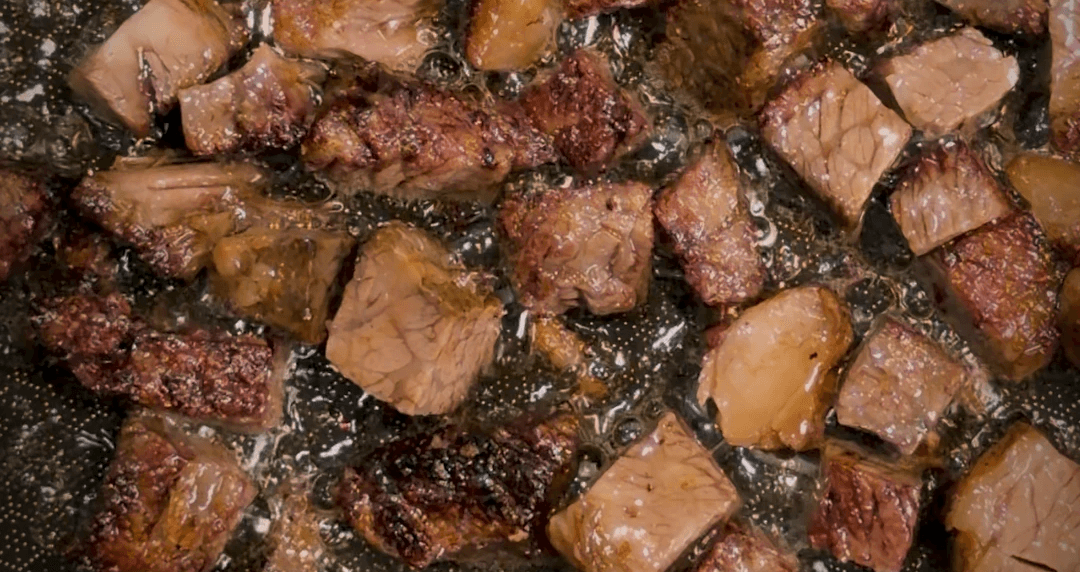
The premise is simple. You braised short rib at some point this week, the way you do when you want the house to smell like a restaurant and your Sunday to feel productive. You have some left. Most people would reheat it and call it Tuesday. We're going to cut it into bite-sized pieces and give it a hard, fast sear in a neutral oil until the edges go crisp and the surfaces caramelize again. That sear is the entire trick. Braised meat is soft all the way through, tender to the point of forgettable. Crisping the outside gives it contrast, a textural high note it never had the first night. The leftover becomes the upgrade.
Then you build a sauce out of something you were going to throw away.
Kimchi brine is one of the most underrated ingredients in any refrigerator that has a jar of kimchi in it. It is sour, funky, deeply savory, alive with the same fermentation that made the cabbage worth eating in the first place. Most people pour it down the drain. Don't. In the same pan you crisped the short rib, you sauté chopped kimchi just long enough to wake it up and pick up a little color, then you pour in a quarter to half a cup of that brine and let it reduce by half. Reducing concentrates it. What was sharp and thin becomes round and intense, a sauce base with more going on than something this fast has any right to have.
And then, butter.
A couple of knobs, swirled in off the boil until the sauce turns glossy and thick and starts coating the back of a spoon. This is a French move, technically. Mounting a sauce with cold butter at the end is how a bistro makes a pan sauce look expensive. Here it's doing the same job for a sauce built on Korean fermented brine, about to dress Japanese wheat noodles. Three traditions, one pan, no speeches about it. The butter rounds the kimchi's edges and pulls everything into a single silky thing.
The udon almost cooks itself. Fresh noodles need about thirty seconds in boiling water, barely a dip. Frozen take a couple of minutes. Either way they go straight from the water into the pan, where you toss them until every strand is coated and gleaming, then you fold the crispy short rib back in. Taste it here. This is the moment to balance, a splash of soy if it wants salt and depth, a little water if it's gone tight. The dish tells you what it needs. You just have to ask.
Pile it high on a plate, because this is food for sharing and it should look like abundance.

Then the finish that makes it. Crack an egg, separate it, and set the raw yolk right on top of the hot pile. You mix it in at the table, while everything is still steaming, and the heat from the noodles cooks the yolk just enough to turn it into the richest part of the sauce. It goes silky. It coats everything. It's the same instinct behind a thousand bowls of noodles across Asia, the raw yolk that becomes the dressing, and it works every single time. Sesame seeds or green onions on top if you're feeling it, but I'll tell you the truth: it doesn't need them.
Here's the part I love most, the part that makes this less a recipe and more a template. You don't need the short rib at all. Mushrooms, seared hard in that same pan until browned and meaty, do the job beautifully and keep the whole thing vegetarian. Or skip the protein entirely and just make the noodles, kimchi butter and udon and a yolk, and understand that the noodles alone are good enough to stand on their own. The short rib is the occasion. The sauce is the reason.
That's the thing about a makeover. It was never really about starting over. It was about looking at what you already had and seeing what it could become. A jar of brine you were going to pour out. A container of meat you were going to reheat without enthusiasm. Thirty seconds of noodles and a knob of butter and an egg. None of it new. All of it transformed.
I would never eat the same thing twice. But I will happily eat it again, completely reinvented, and call it the best thing I made all week. Because it is.

Recipe
Ingredients
1 to 2 cups leftover braised short rib, cut into bite-sized pieces (or 8 oz mushrooms, sliced, to keep it vegetarian, or omit entirely)
1 tablespoon neutral oil (vegetable or canola)
1 cup kimchi, chopped
1/4 to 1/2 cup kimchi brine
Splash of stock or water, as needed
2 tablespoons butter
2 servings udon (fresh or frozen)
Soy sauce, to taste
1 to 2 egg yolks
Sesame seeds or sliced green onions, to finish (optional)
Steps
Sear the short rib.
Heat the neutral oil in a pan over high heat. Add the bite-sized short rib and sear hard until the edges are crispy. Remove and set aside. (To keep it vegetarian, sear sliced mushrooms here instead until well browned. To go noodles-only, skip this step.)
Wake up the kimchi.
In the same pan, add the chopped kimchi. Saute briefly, just enough to get a little color. Don't overdo it.
Build the sauce.
Add 1/4 to 1/2 cup kimchi brine, depending on how much you have. Loosen with a splash of stock or water if you need more volume. Let it reduce by about half.
Mount the butter.
Add the butter and swirl until the sauce turns glossy and rich.
Cook the udon.
Prepare according to the package. Fresh noodles need about 30 seconds in boiling water; frozen take a couple of minutes.
Combine.
Transfer the noodles straight into the pan and toss until everything is coated and glossy. Fold the short rib (or mushrooms) back in.
Taste and balance.
Add a splash of soy sauce for depth or a little water to loosen, as needed.
Plate and crown.
Pile high on a plate. Separate an egg and set the yolk right on top. Mix it in while everything is hot so the sauce turns silky.
Finish.
Sesame seeds or green onions if you want. It's good either way.
At a Glance
Prep Time:
5
Cook Time:
10
Serves:
4
Difficulty:
Easy
Korean
Easy
20 Minutes
Makeover Meal
FRESH ON THE MENU
Latest Recipes

Category
One pot, whatever vegetables you’ve got, and dinner on the table before delivery finds your building.
Lemon Chicken Orzo for When You Don’t Want to Cook

Category
Czech bread dumplings: yeasted dough, stale bread, and a pot of boiling water.
Knedlíky

Category
Czech braised beef in a blended root vegetable cream sauce, made for Allen’s 40th on a Wednesday.
Svíčková

Category
Beef fat stands in for pork belly in a lazy one-pot stew that waits until everyone gets home.
Skirt Steak Kimchi Jjigae with Leftover Pot Roast Fat