Knedlíky
Czech bread dumplings: yeasted dough, stale bread, and a pot of boiling water.
Jump to Recipe

Bread stuffed with bread, then boiled. That’s houskové knedlíky, and the first time you make them it feels a little like a dare.
The dough is a simple yeasted dough: flour, milk, an egg, a little sugar. Then you knead in cubes of stale bread, shape the whole thing into logs, and drop them into a pot of water instead of an oven. They come out looking like pale, smooth loaves. Slice one and you see why the old bread is in there. The cubes leave little pockets all through the crumb, and those pockets turn every slice into a sponge for sauce.
It’s thrift that turned into technique. Stale bread was too valuable to waste, and plenty of kitchens had a pot long before they had an oven. Today knedlíky are the default starch of Czech cooking. They sit next to svíčková, goulash, roast duck, and anything else with a sauce worth mopping up.
I made these for Allen’s 40th birthday, alongside svíčková, on a workday. Allen’s verdict: perfect. I’ll take it.
The bread matters more than you’d think. I reached for a baguette first, which was the wrong move. Czech cooks use rohlíky, soft white rolls with a thin crust, and a hard baguette crust stays chewy inside the dumpling. The closest thing at my grocery store was a bag of soft sub rolls. Two of them, cubed and left out on a sheet pan to dry, give you the two cups you need. If they still feel soft when you’re ready to mix, toast them for ten minutes.
The schedule is friendlier than it looks. I mixed the dough at lunch with the dough hook, folded the bread cubes in by hand so the hook wouldn’t shred them, and put the bowl in the fridge for the afternoon. About 75 minutes before dinner, I shaped two logs and let them proof under a towel until they looked puffy. Then twenty minutes in a covered pot of gently boiling, lightly salted water, flipping them halfway. A skewer through the center tells you when they’re done.

Two things matter at the very end. Poke a few holes in each log as soon as it comes out of the water, so the steam escapes instead of turning the inside gummy. Then slice. A serrated knife works. A length of thread looped around the log and pulled tight is the traditional way, and it gives you the cleanest cut.
They’re also patient, which is a gift on a night when you don’t know exactly when dinner starts. Wrap the cooked logs in a clean kitchen towel and leave them whole. When it’s time to eat, slice them and steam the slices for a few minutes. They come back tasting freshly made.
Leftovers keep in the fridge for a couple of days, wrapped tight once they’re fully cool. The next morning, do what Czech kitchens do: fry the slices in butter until golden, pour beaten eggs over the top, and stir until set. Knedlíky s vejci. Old bread inside new bread, turned into breakfast. Nothing wasted.

Recipe
Ingredients:
3 cups all-purpose flour
2¼ tsp instant yeast
1 tsp sugar
1 tsp salt
1 large egg
1 cup warm milk (about 100°F)
2 cups dried cubes of soft white rolls, ½-inch (about 2 rolls)
Steps:
Dry the bread. Cube the rolls and spread them on a sheet pan to dry for a few hours. If they’re still soft, toast at 375°F for about 10 minutes and let them cool.
Mix and knead. In a stand mixer, whisk the flour, yeast, sugar, and salt. Add the egg and warm milk and knead with the dough hook on medium-low for 5 to 6 minutes, until smooth and slightly tacky.
Fold in the bread. Take the bowl off the mixer and work the bread cubes in by hand until they’re evenly spread through the dough.
First rise. Cover and let rise until roughly doubled, about 1 hour at room temperature, or refrigerate for 4 hours to overnight.
Shape. Press the dough down gently, divide it in half, and roll each half into a log about 2½ inches thick, tucking the ends under. Push in any bread cubes poking through the surface.
Second proof. Cover with a towel and let rest until puffy, 30 minutes at room temperature or up to 45 if the dough came from the fridge. Meanwhile, bring a large, wide pot of water to a gentle boil with about 1 tablespoon of salt per 4 quarts.
Boil. Lower the logs into the water, cover, and cook 10 minutes. Flip, cover, and cook 10 minutes more. A skewer pushed into the center should come out clean.
Vent and slice. Lift the logs out and poke each one several times with a skewer to release steam. Slice into thick rounds with a serrated knife or a length of thread.
At a Glance
Prep Time:
20 minutes
Inactive Time:
1 hour 30 minutes
Cook Time:
20 minutes
Serves:
6
Difficulty:
Medium
Dumplings
Czech
Weekend Project
FRESH ON THE MENU
Latest Recipes

Category
One pot, whatever vegetables you’ve got, and dinner on the table before delivery finds your building.
Lemon Chicken Orzo for When You Don’t Want to Cook

Category
Czech braised beef in a blended root vegetable cream sauce, made for Allen’s 40th on a Wednesday.
Svíčková

Category
Beef fat stands in for pork belly in a lazy one-pot stew that waits until everyone gets home.
Skirt Steak Kimchi Jjigae with Leftover Pot Roast Fat
Category
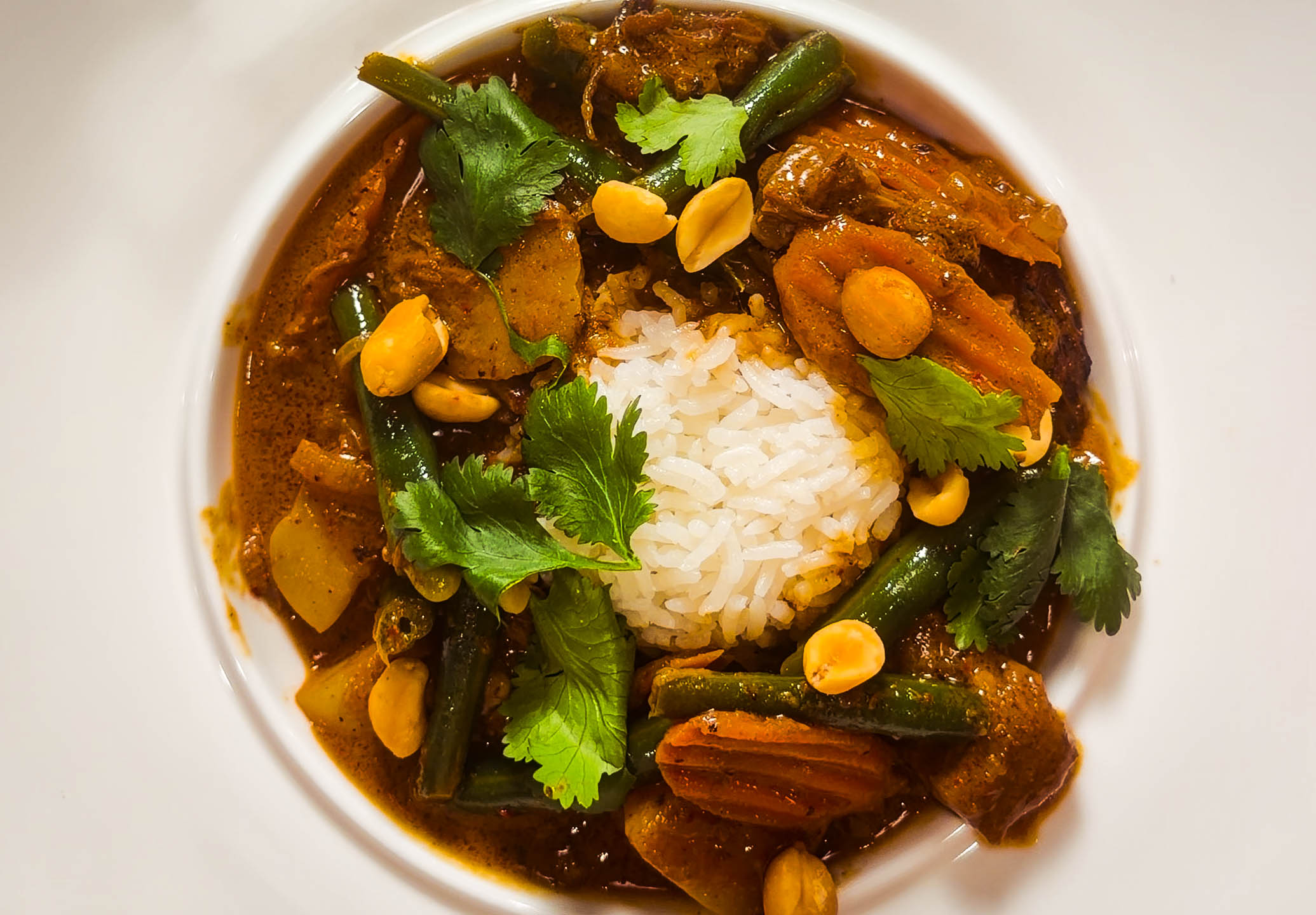
Leftover chuck finishes in a coconut curry built in its own pot, in under an hour.
Pot Roast Massaman