Gluten-Free Pizza Dough
Real crust. Real chew. Real pizza. It just doesn't behave like you expect.
Jump to Recipe

This is not a compromise pizza.
That matters to say upfront because gluten-free pizza has a reputation built on bad versions of itself. Cardboard crusts. Crackers with sauce. Things that are technically pizza in the same way a participation trophy is technically an award. This is none of those things.
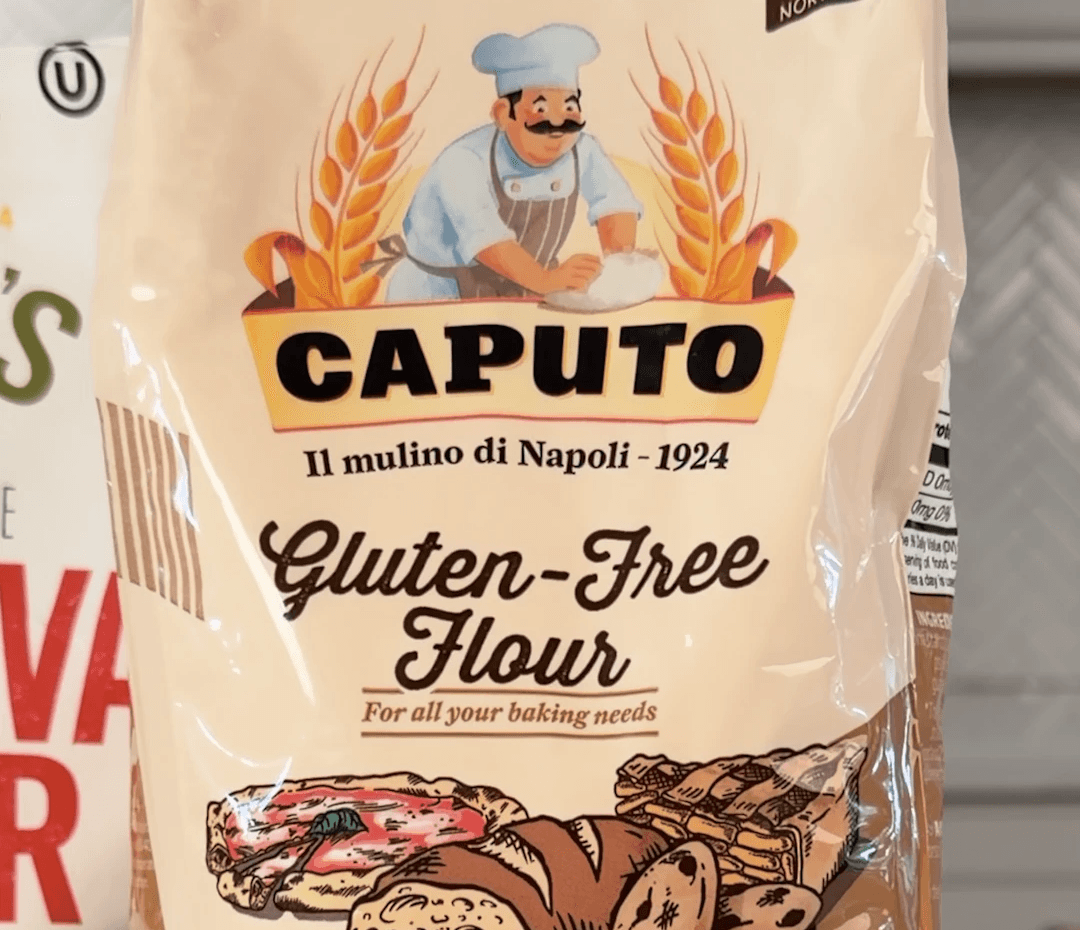
What this is: a high-hydration dough built on Caputo Fioreglut, a gluten-free flour blend engineered specifically for pizza, that produces a crust with real chew, real oven spring, and real blistering when you cook it right. It will not look or behave like wheat dough. That is not a problem. That is just the deal.
The dough is different. Work with it, not against it.
Gluten-free dough has no gluten, which means no elasticity, no stretch, no satisfying windowpane test. When you divide it into balls it will be wetter, stickier, and more like thick focaccia dough than anything you'd recognize as pizza dough. This is correct. Don't add more flour trying to fix it.
You don't knead it. You don't stretch it. You press it. Gently, from the center outward, aiming for a thin center and a slightly thicker rim. It will tear easily your first few times. Smaller rounds are more forgiving than large ones, and smaller rounds cook faster, which matters more with this dough than with wheat. Start small. Go bigger as you get comfortable.
Do not dust with Caputo. It absorbs and makes everything worse. Use rice flour, cassava flour, or cornmeal for your work surface and peel. Use a lot of it.
Time makes this dough.
The minimum is two to three hours of proofing at room temperature. The reality is that 24 to 48 hours of cold fermentation in the refrigerator produces a meaningfully better crust. More flavor, better structure, better oven spring. Make it the day before. Make it two days before. Bring it to room temperature for about two hours before you're ready to bake. This dough also freezes well after the initial proof — divide into balls, freeze individually, and thaw in the fridge overnight when you want it.
The oven is everything.
If you have a pizza oven, shoot for 750 to 800°F. Not 900 to 1000 — Caputo Fioreglut burns at lower temperatures than wheat flour and you will char the bottom before the top has any chance to cook. If you're using a home oven, crank it to its highest setting and put your pizza stone in cold, then let it heat for 45 to 60 minutes before you bake. That preheated stone is non-negotiable. It's what creates the immediate burst of heat that gives you oven spring and a crisp bottom.
Do not chase browning.
This is where most people overcook gluten-free pizza. The crust will stay paler than wheat dough. It will look underdone when it isn't. If you keep baking until it's deeply golden, you'll end up with something dry and tough. Pull it when the bottom is crisp, the cheese is bubbling, and the rim feels set to the touch. If you want more color on top, hit the broiler for 30 to 60 seconds at the end rather than baking longer. Watch it. The broiler is fast.
Build the pizza lightly. Too much sauce, too many toppings, and the crust can't cook through before it dries out. Use low-moisture mozzarella for the bake. Save burrata, prosciutto, fresh basil, and anything delicate for after it comes out of the oven.
Let it rest two to three minutes before cutting. The crumb needs a moment to set.

Recipe
Ingredients
500g Caputo Fioreglut
420g warm water (about 95°F)
10g honey or sugar
5g instant yeast
15g kosher salt
7g olive oil
Rice flour, cassava flour, or cornmeal for dusting
Steps
1. Activate.
Combine warm water, yeast, and honey in the bowl of a stand mixer fitted with the paddle attachment. Stir briefly and let sit 5 minutes until slightly foamy.
2. Mix.
Add the Caputo Fioreglut and mix on medium until smooth, about 3 minutes. Add the salt and olive oil. Continue mixing 5 to 7 minutes. The dough will look wet, sticky, and more like thick focaccia dough than a traditional pizza dough. This is correct.
3. Rest.
Cover the bowl and let rest at room temperature for 20 minutes.
4. Divide.
Oil your hands generously. Divide the dough into 3 equal portions and shape each loosely into a ball. Place on a lightly oiled tray, cover, and refrigerate for 24 to 48 hours.
5. Temper.
Remove dough balls from the refrigerator 2 hours before baking and let come to room temperature, covered.
6. Preheat.
Place a pizza stone in the oven and preheat to the highest possible temperature for at least 45 to 60 minutes. If using a pizza oven, target 750 to 800°F.
7. Shape.
Dust your work surface generously with rice flour or cornmeal. Press the dough from the center outward into a round, aiming for a thin center and slightly thicker rim. Do not stretch. It will tear. Press gently and patiently. Start smaller than you think you need to.
8. Build and bake.
Top lightly — restrained sauce, low-moisture mozzarella, a few toppings. Launch onto the hot stone. Bake until the bottom is crisp and the cheese is bubbling. Pull before it looks deeply golden. If you want more color on top, broil for 30 to 60 seconds and watch it closely.
9. Rest and finish.
Let rest 2 to 3 minutes. Add any delicate toppings — burrata, prosciutto, fresh basil, arugula — and serve immediately.
To freeze: After dividing into balls and before refrigerating, freeze dough on a tray until solid, then transfer to sealed bags. Thaw in the refrigerator overnight and bring to room temperature 2 hours before baking.
At a Glance
Prep Time:
20 min + 24 hours inactive
Cook Time:
2-3 mins
Serves:
4
Difficulty:
Intermediate
Pizza
Intermediate
Gluten Free
FRESH ON THE MENU
Latest Recipes

Category
One pot, whatever vegetables you’ve got, and dinner on the table before delivery finds your building.
Lemon Chicken Orzo for When You Don’t Want to Cook

Category
Czech bread dumplings: yeasted dough, stale bread, and a pot of boiling water.
Knedlíky

Category
Czech braised beef in a blended root vegetable cream sauce, made for Allen’s 40th on a Wednesday.
Svíčková

Category
Beef fat stands in for pork belly in a lazy one-pot stew that waits until everyone gets home.
Skirt Steak Kimchi Jjigae with Leftover Pot Roast Fat